
At a Glance (Key Takeaways)
- The Challenge: Australia is building Renewable Energy Zones (REZ) and integrating Distributed Energy Resources (DER) rapidly, but many organisations report difficulty securing the specific engineering capability required to integrate them effectively.
- The Gap: Engineers with 5–12 years’ experience are frequently described by hiring managers as one of the most constrained segments of the current power systems labour market — the operational layer that mentors juniors and completes detailed technical design and modelling.
- The Risk: When this layer is thin, connection studies require additional rework, system strength or stability issues can surface later in the process, and senior technical leaders absorb increasing coordination and review workload.
- The Solution: Recruitment and workforce planning must focus on capability alignment, not just filling seats.
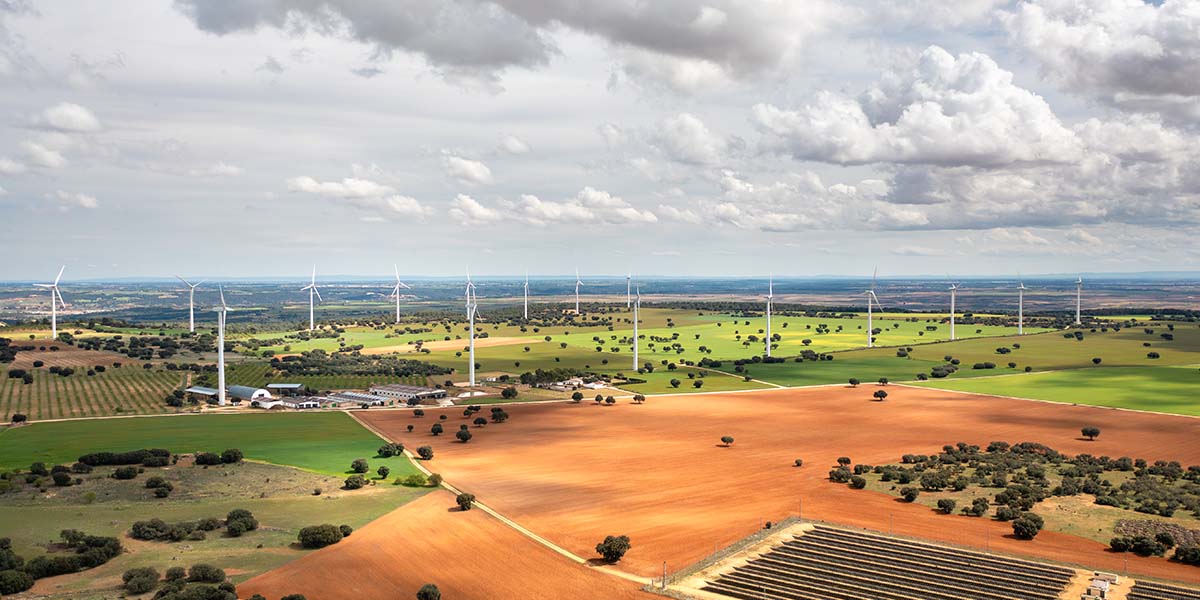
Australia’s energy transition is moving fast. Renewable Energy Zones (REZ) are pushing large-scale wind and solar onto the grid. Distributed Energy Resources (DER)—rooftop PV, batteries, and EV chargers—are materially reshaping distribution networks street by street.
On paper, the infrastructure pipeline is progressing. But infrastructure isn’t the only challenge. Capability depth is becoming just as critical.
What is the "Missing Middle" in Engineering?
I recently spoke with a Senior Power Systems Engineer who has spent years in connection studies and network planning. His concern wasn’t about the graduates entering the industry, and it wasn’t about senior leadership.
It was the layer in between: The engineers with five to twelve years’ experience.
In the context of the National Electricity Market (NEM), these are the engineers who:
- Operationalize Strategy. They turn high-level concepts into designs that hold up under real-world grid conditions.
- Review and Validate Modelling. They interrogate load flow, fault level, RMS and increasingly EMT studies, identifying potential system strength or stability risks before formal review stages.
- Bridge the Gap. They mentor graduates while translating technical realities to senior stakeholders and commercial teams.
They hold operational knowledge built through repeated exposure to connection processes within the NEM framework. While workforce data does not always isolate this cohort specifically, many hiring managers describe this demographic as one of the most difficult to hire in the current market.
The Hidden Cost: Administrative Overload
The engineers we do have are often stretched thin. In some organisations, technical specialists are pulled into reporting, coordination, or administrative work, while their core modelling and design capability becomes diluted.
This matters because REZ delivery isn’t just about building lines and substations. It requires:
- Deep system modelling — both RMS and, increasingly, EMT.
- Careful system strength assessment.
- Multidisciplinary coordination.
An applied understanding of how inverter-based generation behaves on a stressed network.
DER integration is even more intricate. We are dealing with voltage rise, protection coordination, inverter compliance, and complex feeder modelling. Small issues can compound quickly without experienced review guiding the process.

The Scenario: When Capability Gaps Hit a Project
To understand the risk, consider a scenario commonly described in the market today.
A developer secures land for a solar farm. The Senior Lead sets the strategy, and the Graduate Team runs the first models. But without an experienced Mid-Level Power Systems Engineer reviewing intermediate modelling assumptions — such as EMT inputs, fault level sensitivities, or system strength mitigation approaches — subtle issues may go unchallenged.
- The Result: Risks are identified during formal review or due diligence stages.
- The Impact: Additional modelling iterations, revised mitigation strategies, and commercial reassessment introduce delays that can extend into months.
- The Response: External specialists may be engaged at premium rates to resolve issues that could have been identified earlier.
This is the "Capability Gap" in action. It’s not a lack of effort; it’s a depth-of-experience gap at a critical project layer.
What Happens When Capability is Thin?
When this middle tier isn’t positioned effectively, things don’t fail dramatically—they slow down.
- Connection timelines stretch due to rework.
- Knowledge gaps widen as juniors lack consistent mentorship.
- Burnout risk increases among senior technical leads, covering broader review responsibility.
Momentum is the one thing the energy transition can’t afford to lose.

How Northbridge Apaproaches the Capability Puzzle
This is the layer of the workforce I focus on most. My role isn’t just placing engineers into vacancies; it’s about workforce planning and technical alignment.
At Northbridge, the focus is on ensuring that high-value technical capability is positioned where it matters most—solving complex connection problems and guiding projects at the right stage of delivery.
The infrastructure is being built. But the success of the transition will depend just as much on whether experienced engineers are sitting in the right seats.
About the Author

Dan Holmes is the Power & Grid Recruitment Consultant at Northbridge. He connects skilled T&D engineers with the organisations driving Australia’s energy future, focusing on technical fit and long-term capability alignment.


